Among the ancient landscapes of Western Australia’s Pilbara region, a timeless connection between people and land continues to exist. Here, amidst the rugged beauty of the outback, Aboriginal people have a rich history of lore, culture, and traditions that stretch back millennia, embodying a profound reverence for the land and its secrets.
For countless generations, the Aboriginal people of the Pilbara have called this vast and unforgiving terrain home. Their deep-rooted connection to the land is evident in every aspect of their culture, from their Dreamtime stories that speak of creation and the spirits of the land, to their intricate knowledge of the natural world and its rhythms.
Central to Aboriginal culture is the concept of custodianship, the idea that they are not owners of the land but rather its caretakers, entrusted with the responsibility of preserving its beauty and bounty for future generations. This philosophy has guided their interactions with the land for thousands of years, shaping sustainable practices that have allowed them to thrive in harmony with nature.
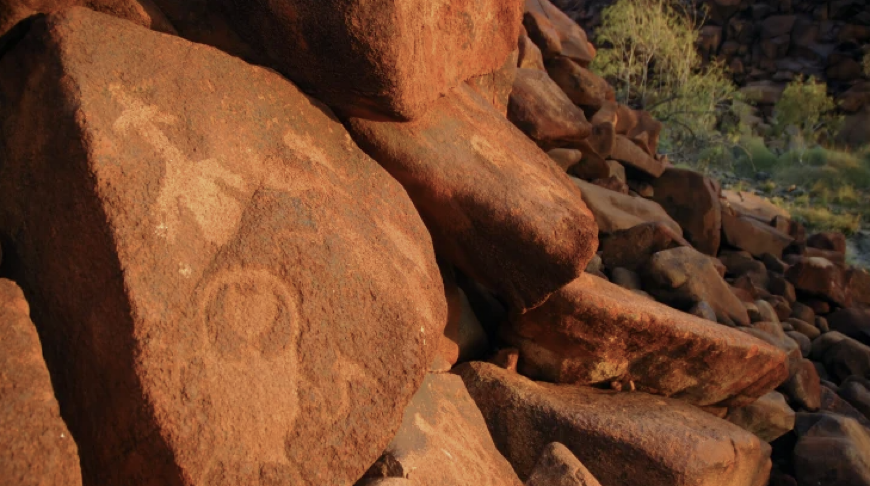
At the heart of Pilbara’s Indigenous culture lies a profound respect for the land’s sacred sites, which serve as repositories of ancestral knowledge and spiritual significance. These sites, ranging from ancient rock art galleries to sacred waterholes, are not only tangible links to the past but also vital sources of wisdom and inspiration for future generations.
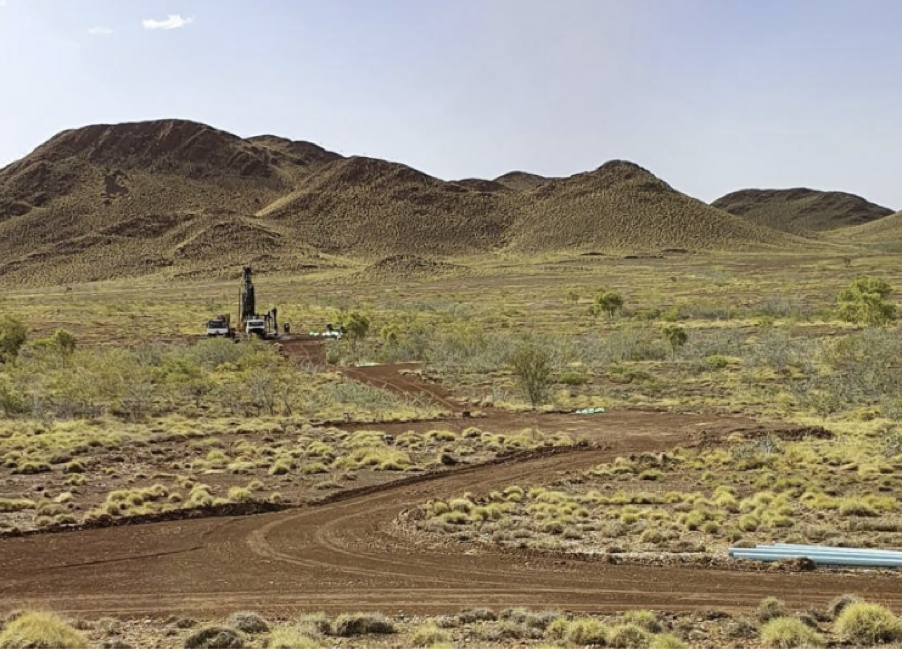
In recent years, there has been a growing recognition of the value of Indigenous knowledge and cultural heritage in the realm of environmental conservation and land management. Multinational mining companies operating in the Pilbara have increasingly sought to engage with local Aboriginal communities, recognising the inherent wisdom and expertise they possess.
By forging partnerships with traditional owner groups, mining companies are not only fulfilling their legal and ethical obligations to consult with Indigenous communities but also tapping into a wealth of knowledge that can inform and enhance their operations. From ecological surveys and land rehabilitation programs to cultural heritage assessments and community engagement initiatives, Aboriginal input has become integral to responsible mining practices in the region.
There is an evolving relationship between Indigenous people and the mining industry, one that is characterised by mutual respect, cooperation, and shared goals of conservation and sustainability. By harnessing Indigenous knowledge and expertise, mining companies are not only minimising their environmental footprint but also contributing to the preservation of Pilbara’s rich cultural heritage for generations to come.
Beyond the realm of mining, the Indigenous Aboriginal people of the Pilbara continue to play a vital role in promoting environmental stewardship and sustainable land management practices. From traditional fire management techniques that reduce the risk of bushfires to cultural tourism ventures that celebrate the region’s natural and cultural heritage, Aboriginal initiatives are driving positive change and fostering greater appreciation for the land and its custodians.
As we reflect on the enduring legacy of Pilbara’s Indigenous Aboriginal people, we are reminded of the importance of honouring and preserving their cultural heritage and wisdom. In a world increasingly defined by rapid development and environmental degradation, their timeless connection to the land serves as an inspiration, reminding us of the importance of living in harmony with nature and each other.